
Arctic Inspiration
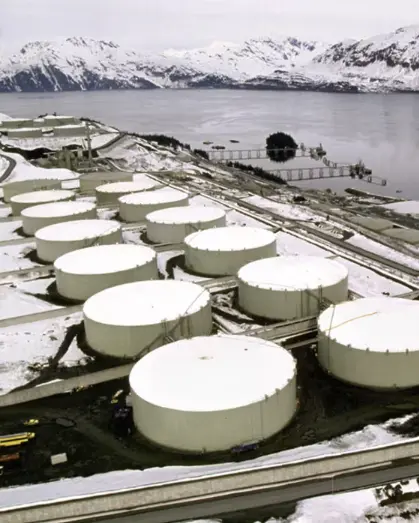
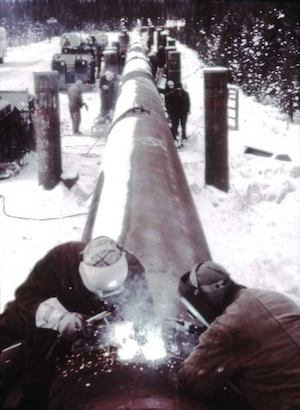
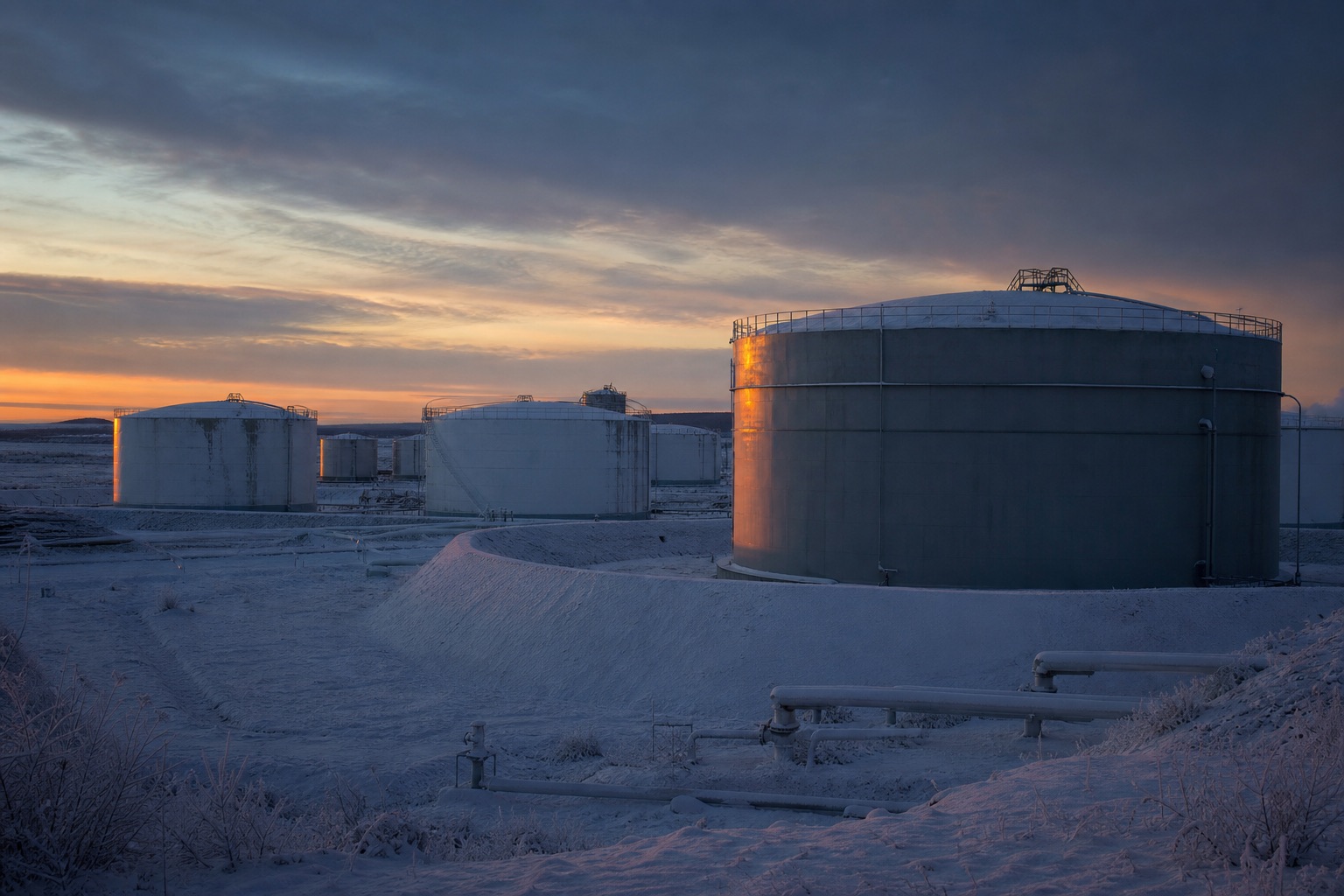
The genesis of Dryfoam can be traced to Alaska, where a fundamental fire protection challenge inspired a completely different way of thinking. Crude oil storage tanks in the Arctic typically lack conventional foam fire protection because storing large volumes of water on permafrost is impractical. Even if water were available, pumps, piping, and handlines would be inoperable during extreme winter conditions, and exposing personnel to water at temperatures approaching -50°F (-46°C) would create an unacceptable safety hazard.
Rather than asking how to improve conventional foam, an engineer asked a more fundamental question: How does firefighting foam actually work?
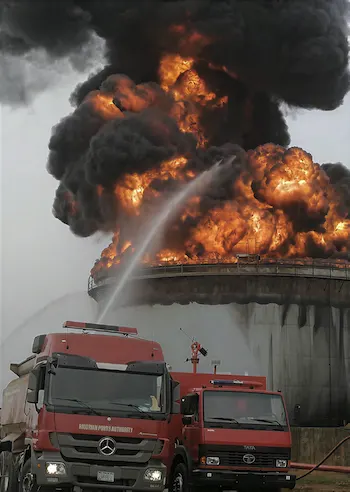
The Challenge
The answer revealed an important principle: Flammable liquids are not what burn - the combustible vapors above the liquid surface are. Eliminate those vapors, and ignition cannot occur.
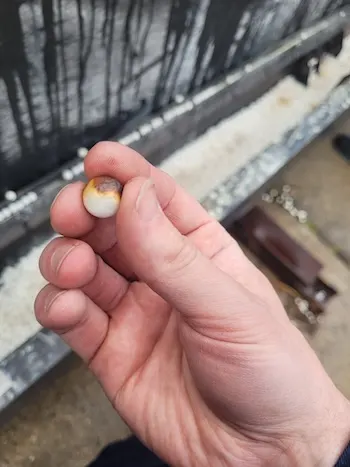
This realization led to a simple but revolutionary concept: replace the water bubble with a synthetic bubble that would float permanently on hydrocarbon fuels without dissolving or degrading.
Instead of being applied only after a fire starts, the synthetic bubbles would remain on the liquid surface continuously, forming a passive vapor barrier that suppresses vapor release before ignition can occur.
Additional fire-resistant materials were incorporated so that, if exposed to flame, the barrier would form a sacrificial crust and continue protecting the fuel beneath from ignition.
Dryfoam
The result is a technology now known as Dryfoam — a passive vapor suppression and fire protection system. This new approach reframes the problem space entirely, which in turn circumvents traditional challenges faced by AFFF and F3 foam attempts.
| AFFF | F3 | Dryfoam | ||
|---|---|---|---|---|
| Requires Water Storage | Yes | Yes | No | |
| Toxic Chemicals | Yes | Yes | No | |
| Special Training | Yes | Yes | No | |
| Calm Weather | Yes | Yes | No | |
Fire Water Network
|
Yes | Yes | No |





While conceived to solve a uniquely Arctic problem, the advantages of Dryfoam extend far beyond Alaska. The same physics that make it effective in extreme cold also offer a fundamentally different approach to preventing hydrocarbon fires and reducing vapor emissions across a wide range of industrial applications, water constraints, and chemical sensitive geographies worldwide.